Postnatal core recovery: is your abdominal gap actually a problem?


Would you believe me if I told you I still have a gap?
I often hear women in clinic asking me to check their abdominal wall - usually in the early stages post-partum, when the tissues are only just beginning to recover. It’s completely understandable that many feel disheartened when there’s still a gap, or when they can’t quite “engage” yet.
But firstly - context is key.
A woman attending her 8-week postnatal check is going to present very differently to someone 6 months or even a year down the line.
Secondly, it isn’t necessarily about “the gap” - it’s about how those tissues respond to load, and whether they’re functioning appropriately.
I say not necessarily, because of course, aesthetics matter too. Some women may not feel comfortable with the separation, even if the tissues are doing exactly what they should. And that’s completely valid. But function should lead the conversation.
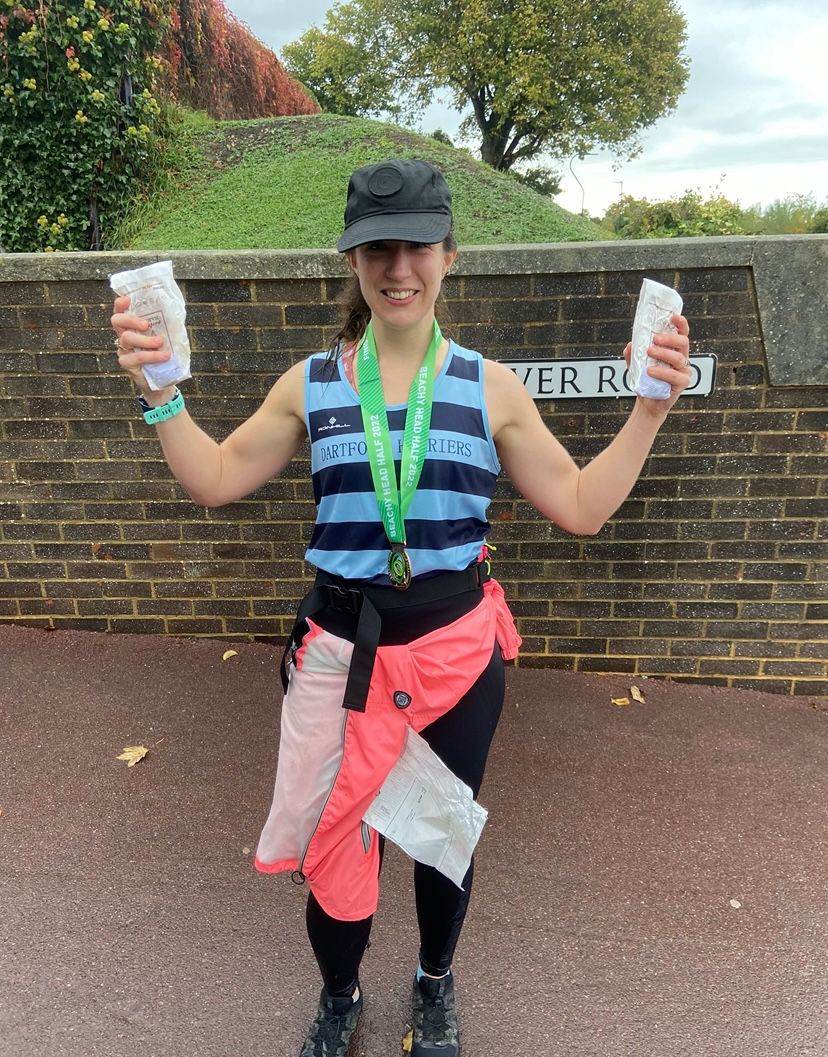
Personally, I’m able to:
Engage my abdominal wall well
Generate good tensile force through the tissues
Perform my sport without limitation
My gap varies between 1–1.5 fingers - and that could be due to genetics, tissue structure, or a number of other factors… even with the knowledge and rehab tools I use myself.
What actually helps?
A lot of the conversations I have in clinic revolve around simple, foundational adjustments that support healing and recovery.
These often include:
Breathing mechanics - relearning how to properly belly breathe
Lifting techniques - managing pressure during day-to-day tasks
Toileting habits - often overlooked, but incredibly important
In the early stages, we often forget these basics - but they lay the foundation for everything that follows.
From there, we can begin to introduce abdominal loading - encouraging collagen turnover and helping the tissues adapt, while ensuring pressure is managed appropriately.
Real-life rehab isn’t all or nothing
I recently worked with a mum who loves high-intensity training. Rather than removing the things she enjoys, we set realistic goals that allowed her to continue training - without compromising her abdominal wall.
We:
Reduced load where needed
Revisited the basics with breathing and control
Gradually reintroduced higher intensity work
Because regression isn’t forever - it’s often what allows you to move forward stronger.
The takeaway
A gap doesn’t automatically mean dysfunction. And “closing the gap” isn’t the only goal.
Your body is allowed to look different after having a baby -but it should still feel strong, supported, and capable.
If you’re unsure where you’re at…
If you’re not sure how your abdominal wall is functioning - or you feel stuck with your recovery - a proper assessment can make all the difference.
Sometimes it’s not about doing more, but doing the right things for your body.

Comments